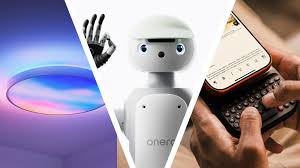
In 2026, the global gadgets market is witnessing rapid innovation as leading companies introduce next-generation devices with advanced features and improved performance. Major brands such as Apple, Samsung, and Xiaomi are competing to deliver smarter, faster, and more efficient products to consumers.
From smartphones and laptops to wearables and smart home devices, the focus remains on integrating cutting-edge technology with user-friendly designs. Companies are emphasizing performance upgrades, longer battery life, and enhanced connectivity.
Rise of AI-Powered Gadgets
A key trend in 2026 is the integration of Artificial Intelligence into everyday gadgets. Smartphones, smartwatches, and home devices are now equipped with AI features that enable voice commands, personalized recommendations, and automated functions.
These advancements are making devices more intuitive and capable of adapting to user behavior, improving overall user experience.
Foldable and Wearable Technology Gains Popularity
Foldable smartphones and wearable gadgets continue to gain traction in the market. Flexible displays and compact designs are attracting consumers who seek both portability and performance. Smartwatches and fitness bands are also becoming more advanced, offering health monitoring features such as heart rate tracking, sleep analysis, and activity monitoring.
Experts believe that wearable technology will play a major role in the future of personal health and fitness.
Challenges and Market Competition
Despite rapid growth, the gadgets industry faces challenges such as rising production costs, supply chain disruptions, and intense competition. Companies are focusing on innovation and pricing strategies to stay ahead in the market.
Consumers, on the other hand, are benefiting from a wider range of choices and competitive pricing, making advanced technology more accessible than ever before.