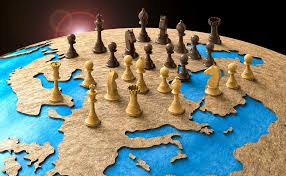
In 2026, the global geopolitical landscape continues to evolve as major powers reassess their strategies amid shifting alliances and ongoing tensions. Countries such as United States, China, and Russia remain central to key international developments, influencing global policies on trade, security, and diplomacy.
Recent diplomatic engagements and strategic meetings indicate a growing effort to manage conflicts while protecting national interests. However, underlying tensions continue to shape global decision-making.
Trade and Economic Rivalries Intensify
Economic competition among major nations has become a defining feature of current geopolitics. Trade policies, tariffs, and supply chain strategies are being adjusted as countries aim to reduce dependency and strengthen domestic industries.
Analysts suggest that economic rivalries are increasingly linked to national security concerns, particularly in sectors such as technology, energy, and manufacturing.
Regional Conflicts and Security Concerns
Several regions across the world continue to experience geopolitical tensions and security challenges. Ongoing conflicts and territorial disputes have prompted countries to strengthen their defense capabilities and form strategic alliances.
International organizations like United Nations are actively involved in diplomatic efforts to promote peace and stability, though progress remains complex and gradual.
India’s Strategic Position
India is playing an increasingly important role in global geopolitics by balancing relationships with major powers while advancing its own economic and security interests. The country continues to engage in international forums and strengthen regional partnerships.
Experts believe that India’s growing influence will be a key factor in shaping the future geopolitical order.
Future Outlook
As geopolitical dynamics continue to shift, uncertainty remains a defining characteristic of global relations in 2026. Nations are expected to focus on strengthening alliances, securing resources, and adapting to changing global conditions.
The coming months will be crucial in determining how these geopolitical developments impact international stability, economic growth, and global cooperation.