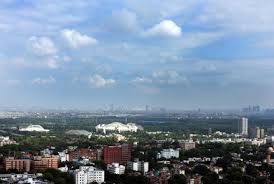
In March 2026, a significant and unexpected shift in weather patterns has been observed across several parts of India. Typically, this time of year marks the transition from winter to summer, with temperatures gradually rising. However, this year, a noticeable drop in temperature along with unseasonal rainfall has disrupted the usual seasonal trend, particularly in northern regions of the country.
According to weather experts, several states in North India have recorded below-normal temperatures during both daytime and nighttime. Conditions such as cold winds, overcast skies, and intermittent rainfall have created an environment more typical of late winter rather than early summer. This deviation from the norm has drawn attention from meteorologists and climate observers.
The sudden change has also begun to impact daily life. In many areas, transportation has been affected due to reduced visibility and wet road conditions. Traffic movement has slowed, and minor disruptions have been reported in routine activities, including school and office attendance.
Experts suggest that such irregular weather patterns may be linked to short-term atmospheric disturbances, though they also highlight the possibility of broader climate variability playing a role. While further analysis is required to determine long-term implications, authorities have advised citizens to stay updated with weather forecasts and take necessary precautions.